

Director of Medical Services of the Student Health Center Dr. Robert Williams spoke with The Houstonian about how students can stay healthy during flu season.
The Houstonian: “Why is it that there seems to be an increase in flu-like illnesses around campus?”
Dr. Robert Williams: “Both nationwide and statewide, we are currently at peak flu season. The CDC tracks the number of cases presenting to emergency rooms with influenza-like illness. We are currently at the highest number seen in the country for the last 30 years. So, it is no surprise that SHSU is also seeing lots of flu and colds right now. One of the strains of flu circulating this year is especially efficient at transmission, so it is being passed from person-to-person more easily than usual.”
The Houstonian: “What should students do to prevent any sort of cold or other sicknesses?”
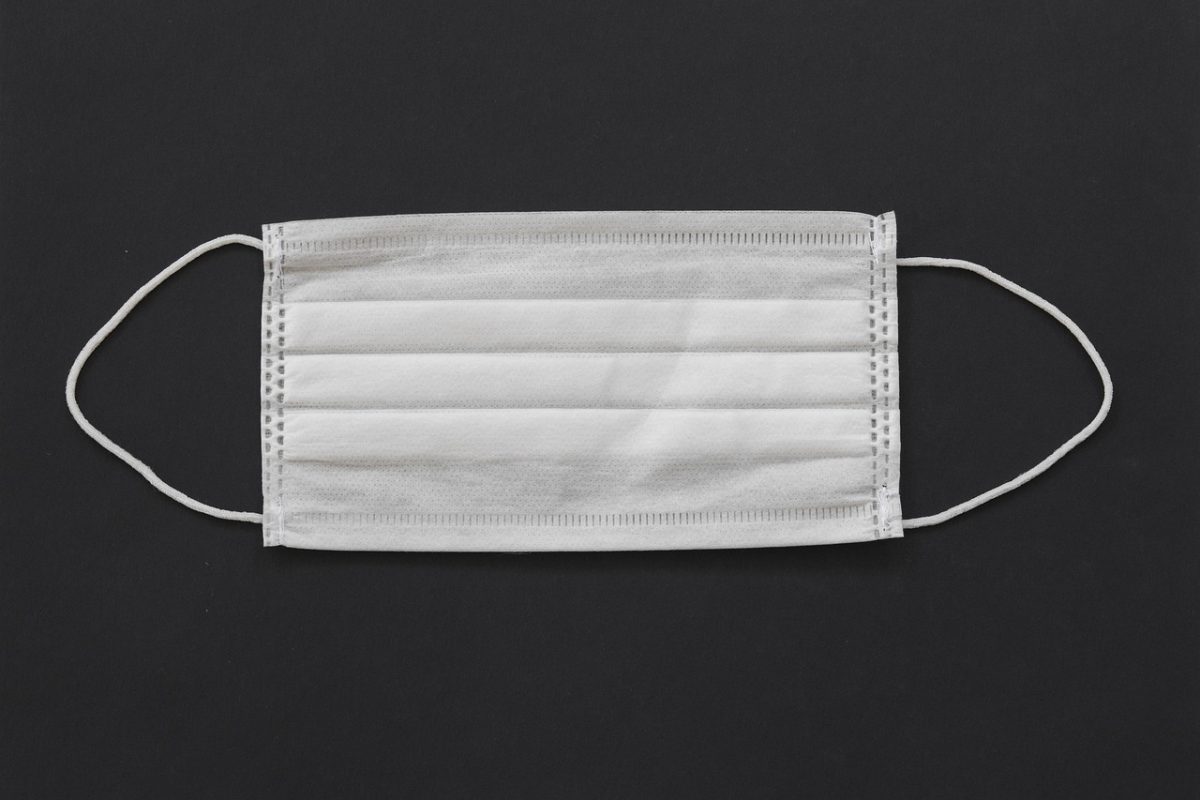
Dr. Robert Williams: “To prevent respiratory illness, we should wash hands frequently, avoid touching our faces with unwashed hands and consider wearing a mask when congregating indoors. Vaccines (flu and COVID) are effective at preventing serious illness and decreasing the risk of hospitalization. Being outdoors as much as possible when weather allows also helps decrease exposure. It also helps when others who are not feeling well either stay home or wear masks and wash hands frequently.”
The Houstonian: “When and how long should students stay home when experiencing flu-like symptoms?”
Dr. Robert Williams: “When you have a fever, feel like you have a fever, are coughing, have a sore throat, vomiting, or have diarrhea are all good reasons to stay home and avoid being around others until the symptoms have resolved for at least 24 hours.”
The Houstonian: “What should students have to do to get over a cold or any other kind of illness?”
Dr. Robert Williams: “Students are encouraged to schedule appointments at the Student Health Center. Antiviral medication can be prescribed for flu if started early in the illness. The SHC can also help evaluate and rule out or treat bacterial infections such as strep throat, otitis media (ear infection), and pneumonia which may require antibiotics. Otherwise, usual viral illnesses are treated with supportive care which includes medicine for fever (e.g. Tylenol, Ibuprofen), hydration, rest, and help with specific symptoms like congestion. It is important to remember that many illnesses like flu, Mono, COVID, and norovirus remain contagious for many days after symptoms resolve. So, wear a mask when around others for another 5 days after feeling better and returning to class.”


