
As reading shifts toward screens and digital platforms, independent bookstores are carving out a role that goes beyond selling books.
Why it matters
Physical bookstores are increasingly valued as spaces for connection and community at a time when many interactions are online.
The big picture
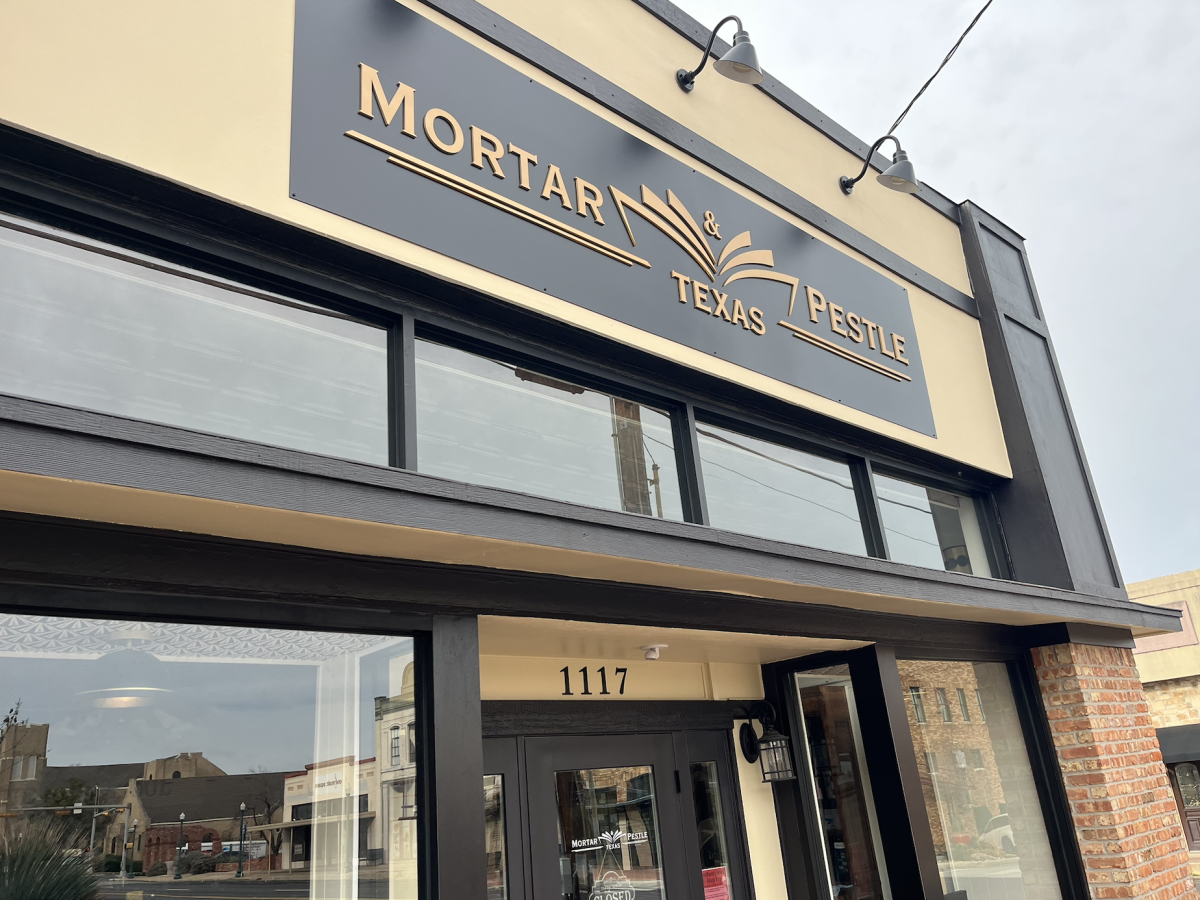
Kara Froelich, owner of the new Mortar and Pestle of Texas bookstore in Huntsville, said physical books offer an experience that digital formats cannot replace. Located on the downtown square, Froelich says the space was previously her father’s old pharmacy.
“The sensory experience of reading a physical book, including the ability to touch, feel, and even smell the book, provides a calming, tangible, and multi-sensory interaction that digital platforms can not duplicate,” Froelich said, adding that the store is focused on bringing the community together.
A space built for connection
- Froelich said customers often arrive alone but leave having formed meaningful personal connections through conversations, book discussions and shared experiences within the store.
- “Stories were shared of families and individuals coming in as strangers and leaving as friends, demonstrating the value of real-world interaction facilitated by the venue,” Froelich said, highlighting how the space encourages interaction in a surprising digital society.
Inclusive by design
- “The store is inclusive, welcoming people of all ages and backgrounds,” Froelich said during an in-person interview
- Children, young adults and older generations regularly interact, exchange stories and build relationships within the space.
What’s next
As digital reading continues to grow, independent bookstores like Mortar and Pestle are emphasizing their role as physical spaces that encourage interaction, connection and community.